

What Are the Best Eco Friendly Sneaker Materials?
When picking the best eco-friendly sneaker materials, consider organic cotton and natural rubber for their sustainability and biodegradability. Recycled plastics turn waste into wearable fashion, while innovative plant-based options like apple leather reduce environmental harm. Bio-based foams, crafted from renewable resources, offer comfort without compromising the planet. Eco-conscious choices like jute and algae-based EVA are equally compelling for sneaker enthusiasts. To discover more about these materials’ impact, continue exploring the fascinating world of sustainable footwear.
Key Takeaways
- Organic cotton is sustainable and biodegradable, offering reduced water usage and improved soil health.
- Natural rubber provides durability and biodegradability, supporting eco-friendly practices and local communities.
- Apple leather is 100% vegan, crafted from food waste, and offers a unique texture.
- Recycled plastics transform waste into materials, preventing pollution and reducing energy consumption.
- Algae-based EVA foam is renewable, lightweight, and reduces carbon emissions while providing comfort.
Organic Cotton: A Natural Choice
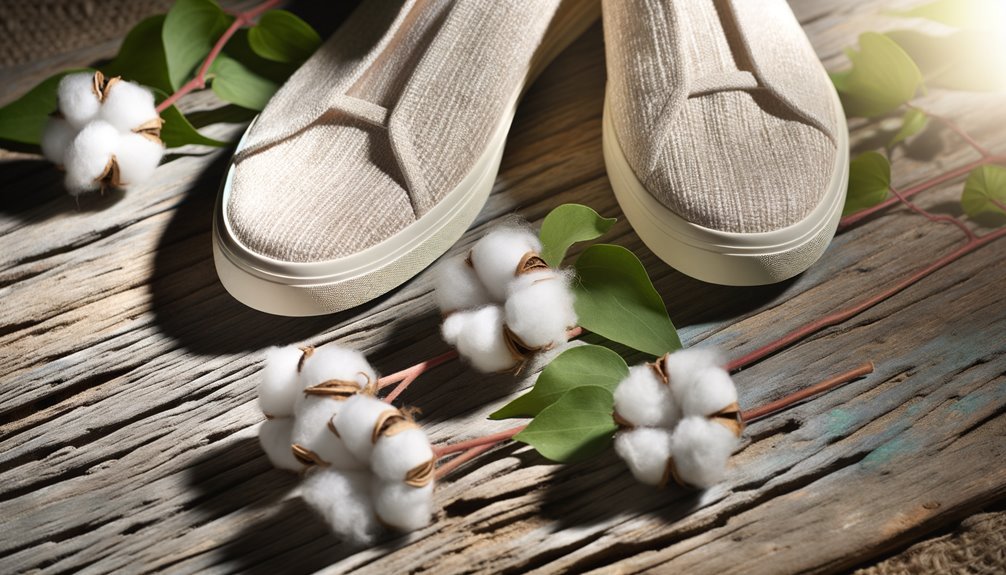
When it comes to choosing eco-friendly materials for sneakers, organic cotton stands out as a natural choice. This sustainable material is grown without synthetic pesticides and fertilizers, greatly reducing environmental impact and promoting biodiversity. Choosing organic cotton means you’re embracing a material that requires 91% less water than conventional cotton, enhancing its sustainability. Plus, organic cotton farming improves soil health and reduces the carbon footprint, making it a responsible choice for eco-conscious consumers.
Certified by the Global Organic Textile Standard (GOTS), you can trust that organic cotton meets high environmental and social criteria. Sneakers made from this material are often biodegradable, helping reduce landfill waste. By opting for organic cotton, you’re contributing positively to the planet while enjoying stylish, comfortable footwear.
Recycled Plastics: From Waste to Wear
While organic cotton offers a natural and sustainable option, recycled plastics provide an innovative solution to the growing waste problem. By transforming post-consumer waste into sneaker materials, brands like VEJA and Thousand Fell not only minimize environmental harm but also foster a circular economy. Recycled polyester conserves resources, using about 70% less energy than virgin polyester. Each sneaker pair you buy can keep 6 to 10 plastic bottles out of the ocean or landfills.
| Impact | Description |
|---|---|
| Energy Conservation | 70% less energy than virgin polyester |
| Waste Reduction | Prevents 6-10 bottles from polluting |
| Ocean Protection | Keeps plastics out of oceans |
| Carbon Footprint | Lowers greenhouse gas emissions |
| Circular Economy | Promotes sustainable practices |
Choosing sneakers made from recycled plastics supports a sustainable future.
Biodegradable Components: Breaking Down Naturally
When you choose sneakers made with biodegradable components like natural rubber and Piñatex, you’re not just making a fashion statement—you’re reducing your environmental footprint. These innovative materials naturally decompose, transforming back into the earth in just a few years, unlike synthetics that linger for decades. Embracing biodegradable options aligns you with a sustainable future, where products complete their lifecycle with minimal ecological impact.
Natural Decomposition Benefits
As you explore eco-friendly sneaker options, understanding the natural decomposition benefits of biodegradable components is essential. Materials like natural rubber, organic cotton, and Piñatex are game-changers. They break down in a matter of months to a few years, unlike synthetic materials that linger in landfills for decades. By decomposing naturally, these materials return valuable nutrients to the earth, fostering healthier ecosystems. This aligns with the circular economy, where products reintegrate into the environment, lessening the need for raw materials. Biodegradable sneakers also release fewer toxins, promoting soil health. When brands emphasize environmental responsibility through recycling programs, they make it easier for you to dispose of worn-out sneakers responsibly, reinforcing the cycle of sustainability. Choose wisely, and contribute to a greener planet.
Reduced Environmental Footprint
Choosing eco-friendly sneakers made from biodegradable components greatly slashes your environmental footprint. Materials like natural rubber and organic cotton break down naturally, returning nutrients to the ecosystem in a sustainable fashion. Opting for vegan leather, sourced from cactus or apple waste, guarantees your footwear decomposes within 3 to 5 years, unlike traditional sneakers that linger for millennia. Piñatex, crafted from pineapple leaf fibers, degrades within months, highlighting its role in sustainable fashion.
| Material | Decomposition Time |
|---|---|
| Natural Rubber | Few months to 2 years |
| Piñatex | 6 to 12 months |
| Vegan Leather | 3 to 5 years |
Incorporating compostable materials not only minimizes landfill waste but also supports a circular economy, where products return to the earth, fostering sustainable waste management.
Sustainable Material Innovations
Building on the benefits of reducing your environmental footprint, exploring sustainable material innovations opens up exciting possibilities in eco-friendly sneaker design. Biodegradable components like Piñatex, crafted from pineapple leaf fibers, offer a sustainable alternative to traditional leather, breaking down naturally. Vegan leather from Nopal cactus is another innovative material, durable yet requiring minimal water, making it an eco-friendly choice. Natural rubber, sourced from rubber trees, is biodegradable, supports reforestation, and contributes to a circular economy, enhancing sneaker production. Bananatex, derived from banana plants, minimizes environmental impact by utilizing agricultural waste. Grape leather, made from winemaking residues, repurposes waste into a biodegradable alternative, promoting sustainable practices. These innovative materials guarantee your sneakers are both stylish and sustainable.
Natural Rubber: Sustainable Soles

When you’re considering sustainable sneaker materials, natural rubber stands out for its eco-friendly harvesting practices and impressive performance qualities. This renewable resource not only reduces carbon emissions but also offers remarkable durability and flexibility, providing a comfortable and high-performing sole. By choosing sneakers with natural rubber, you support ethical sourcing that benefits local communities and the environment.
Eco-Friendly Harvesting Practices
While many materials contribute to the environmental footprint of sneakers, natural rubber stands out due to its eco-friendly harvesting practices. You might not realize it, but natural rubber, harvested from Hevea brasiliensis trees, is a game-changer. Through sustainable harvesting, latex is tapped without harming the trees, allowing them to thrive for decades. This method guarantees a renewable resource and supports reforestation efforts, maintaining biodiversity and preventing deforestation. Plus, natural rubber is biodegradable, unlike its synthetic counterpart, reducing long-term pollution.
Durability and Flexibility
Given its impressive durability and flexibility, natural rubber is a standout choice for sustainable sneaker soles. You’ll find that this eco-friendly material not only reduces environmental impact but also enhances the performance of your sneakers. Here’s why:
- Durability and Flexibility: Natural rubber offers a robust, flexible sole that withstands prolonged wear, perfect for active lifestyles while maintaining comfort.
- Traction and Comfort: With excellent traction and shock absorption, natural rubber guarantees a smooth, comfortable experience whether you’re on a run or a casual stroll.
- Sustainability: Sourced from rubber trees, it supports reforestation and biodiversity, offering a lower carbon footprint compared to synthetic alternatives.
Choosing sneakers with natural rubber soles means you’re investing in comfort, performance, and a sustainable future.
Bio-Based Foams: Renewable Comfort

In the domain of sustainable sneaker production, bio-based foams stand out as an innovative solution that marries comfort with eco-friendly practices. Made from renewable resources like sugarcane, these foams reduce reliance on petroleum-based materials, helping to minimize environmental impact. Not only do they offer excellent cushioning and support for everyday wear, but they also contribute to a lower carbon footprint. By choosing sneakers crafted with bio-based foams, you’re supporting sustainable footwear that aligns with the growing demand for eco-friendly practices. Additionally, these foams often biodegrade more easily, reducing landfill waste. Brands using bio-based foams actively promote their commitment to sustainability, making it easier for you to make environmentally conscious choices without sacrificing comfort and style.
Hemp: Durability With a Low Carbon Footprint
When you’re considering eco-friendly sneaker materials, don’t overlook hemp for its exceptional durability and environmental benefits. Not only does it create long-lasting sneakers that can handle daily wear, but its cultivation uses noticeably less water and enhances soil health, making it a sustainable choice. Plus, hemp’s ability to absorb more CO₂ than it emits makes it a powerhouse for reducing your carbon footprint.
Hemp’s Environmental Advantages
Although often overlooked in the world of sustainable fashion, hemp offers a compelling case for eco-friendly sneaker materials due to its impressive durability and minimal environmental impact. Choosing hemp for your sustainable sneakers means opting for responsible materials that help reduce waste. Here’s why:
- Water Efficiency: Hemp requires about 50% less water than traditional crops, contributing to its low environmental impact and making it an eco-friendly choice.
- Rapid Growth: Maturing in just 90 days, hemp allows for multiple harvests per year, minimizing land use and further cementing its role as a responsible material.
- Pesticide-Free Cultivation: Hemp thrives without pesticides or herbicides, ensuring that your durable materials don’t harm ecosystems through chemical runoff.
Consider hemp sneakers for a truly sustainable step forward.
Longevity and Strength
Because hemp is one of the strongest natural fibers available, you’ll find it’s an excellent choice for creating durable sneakers with a remarkably low carbon footprint. Its impressive tensile strength, three times that of cotton, guarantees longevity. Plus, hemp’s durability extends to being mold resistant and UV light resistant, reducing maintenance needs.
The environmental impact of hemp is minimal. It requires only 25% of the water needed for cotton, making it a sustainable choice. Importantly, hemp is biodegradable, decomposing within months, which considerably reduces landfill waste.
| Feature | Benefit |
|---|---|
| Tensile Strength | Guarantees longevity and durability |
| Water Usage | Low environmental impact |
| Mold Resistance | Enhances sneaker longevity |
Choosing hemp for your sneakers means embracing sustainability without compromising on strength.
Apple Leather: Innovative Plant-Based Material
Apple leather stands out as a pioneering plant-based material that’s changing the landscape of sustainable fashion. As a sustainable alternative to traditional leather, apple leather offers a 100% vegan option that considerably reduces environmental harm. It’s crafted from apple skins and cores, transforming food waste into a valuable resource. This innovative material is biodegradable, minimizing its ecological footprint compared to petroleum-based synthetics.
Here’s why apple leather should be on your radar:
- Eco-Friendly Manufacturing: Uses less water and chemicals than conventional leather production, supporting eco-friendly practices.
- Durability and Texture: Offers unique texture and durability, ideal for stylish, sustainable footwear.
- Conscious Consumer Appeal: Perfect for those seeking vegan, biodegradable options without compromising on style.
Consider apple leather for your next eco-conscious sneaker choice!
Piñatex: Pineapple Power in Footwear
Imagine stepping into a world where your sneakers are not only stylish but also crafted from the remnants of pineapple harvesting. Enter Piñatex, a groundbreaking material made from pineapple leaves, which are usually discarded. By utilizing these fibers, Piñatex promotes a circular economy and supports sustainable practices. As a biodegradable alternative, it reduces environmental impact compared to traditional leather, requiring considerably less water in its production.
Piñatex doesn’t just benefit the planet; it supports local farmers in pineapple-producing regions by providing additional income sources. This eco-friendly footwear choice offers unique texture and durability, capturing attention in the fashion industry. Choosing Piñatex means opting for a material that combines style, sustainability, and social impact, proving that fashion can indeed be conscientious and chic.
Recycled Nylon: Ocean-Friendly Fibers
In the quest for more sustainable fashion, many have turned their attention to recycled nylon, an impressive material making waves in eco-friendly sneaker design. By transforming ocean plastic into sustainable footwear, you’re not only embracing innovative style but also supporting marine conservation. Here are three compelling reasons to choose recycled nylon:
- Environmental Impact: The use of recycled nylon can cut CO2 emissions by nearly 80% compared to traditional nylon, contributing to a healthier planet.
- Durability: Its lightweight yet robust nature makes it perfect for high-performance sneakers that last.
- Circular Economy: By repurposing waste materials, brands reduce new resource demand, supporting a sustainable future.
Initiatives like the SEAQUAL INITIATIVE amplify this impact by turning ocean waste into valuable fibers.
VEJA’s Wild Rubber: Amazonian Advantage
While many sneaker brands claim eco-friendliness, VEJA’s commitment to sustainability truly stands out with their use of wild rubber sourced from the Amazon rainforest. By supporting local rubber tappers through a fair trade model, VEJA promotes sustainable practices and guarantees fair compensation and improved working conditions. This approach not only boosts local economies but also encourages the conservation of the rainforest’s biodiversity, offering a financial incentive to protect these essential ecosystems. Approximately 30% of VEJA’s sneakers incorporate wild rubber, considerably reducing their reliance on synthetic materials derived from fossil fuels. Harvested sustainably without deforestation, VEJA’s wild rubber exemplifies their dedication to environmental responsibility. By choosing VEJA, you directly contribute to preserving the Amazon and supporting sustainable industry practices.
Cork: Eco-Friendly Insoles
Though often overlooked in the domain of sustainable footwear, cork insoles offer an eco-friendly choice that combines both comfort and environmental responsibility. Cork is harvested from the bark of cork oak trees, allowing the tree to regenerate and continue sequestering carbon. Here’s why cork insoles are a fantastic option for eco-conscious footwear:
- Antimicrobial and Breathable: Naturally resistant to mold and mildew, cork insoles prevent odor and bacterial growth while keeping your feet cool and dry.
- Cushioning and Support: They adapt to the shape of your foot over time, providing personalized comfort and support during prolonged wear.
- Minimal Processing: The production of cork involves minimal processing and energy consumption, making it a more sustainable alternative to synthetic materials.
Make a positive impact with every step!
Algae-Based EVA: From Water to Wear
After exploring the natural benefits of cork insoles, let’s now turn our attention to another innovative material making waves in sustainable footwear: algae-based EVA. This sustainable alternative is crafted from renewable algae biomass, offering a significant reduction in carbon emissions. Algae absorb CO₂ during growth, which means the production process leaves a smaller carbon footprint. You’ll find that algae-based EVA is not only lightweight and flexible but also boasts cushioning properties similar to conventional EVA, ensuring comfort without compromise. By choosing sneakers made with this material, eco-conscious consumers support environmentally friendly products and help mitigate harmful algal blooms. Brands using algae-based EVA demonstrate a strong commitment to sustainability, appealing to those who prioritize a healthier planet with every step.
Jute: Eco-Conscious Fabric
Jute, a remarkable natural fiber, is transforming eco-conscious footwear with its impressive sustainability credentials. This biodegradable and environmentally friendly fabric comes from the jute plant, primarily grown in tropical regions. Its cultivation requires far less water than cotton, saving approximately 2,000 liters per kilogram.
Jute revolutionizes sustainable footwear, using significantly less water than cotton, saving 2,000 liters per kilogram.
Consider these benefits:
- Durability: Jute’s strong tensile strength makes it perfect for sneaker uppers and linings, offering reliability without adding weight.
- Low Ecological Footprint: It requires minimal pesticides and fertilizers, drastically reducing its environmental impact compared to synthetic materials.
- Temperature Regulation: Thanks to its natural insulating properties, jute guarantees your sneakers remain comfortable in varied climates.
Blending seamlessly with other eco-friendly materials, jute enhances design versatility while prioritizing sustainability.
Frequently Asked Questions
What Is the Most Eco-Friendly Shoe Material?
You’re wondering about the most eco-friendly shoe material, right? Consider natural fibers and plant-based materials like Piñatex. Sustainable production, biodegradable options, recycled plastics, low impact dyes, and ethical sourcing all contribute to minimizing environmental impact.
Which Shoes Are Most Eco-Friendly?
You’ll find eco-friendly shoes that practically save the planet! Check out sustainable footwear options with biodegradable shoe components, recycled rubber soles, and organic cotton. Vegan shoe brands and eco-friendly performance shoes often utilize natural dye techniques too.
What Are the Best Eco-Friendly Fabrics?
You’re exploring sustainable fabrics, aren’t you? Organic cotton, recycled polyester, and hemp textiles are fantastic choices. Bamboo fiber and Tencel material offer breathability, while eco-friendly dyes guarantee your sneakers stay vibrant without harming the planet. Choose wisely!
Does Nike Use Eco-Friendly Materials?
You’re not going to believe how advanced Nike’s sustainability initiatives are! With their eco-friendly technologies, like using recycled materials and sustainable manufacturing, they’ve drastically reduced their environmental impact, earning green certifications and setting ambitious future goals.


